
In today’s technology-driven world, robotics is transforming industries—from manufacturing and healthcare to education and space exploration. To stay ahead in this fast-paced domain, having a well-equipped robotics lab is essential. Whether you’re setting up a school lab, university research center, or industrial training facility, investing in the right robotics equipment ensures hands-on learning, innovation, and problem-solving.
Why a Robotics Lab is Important
A robotics lab provides students, engineers, and researchers with a practical environment to design, build, and test robotic systems. It bridges the gap between theoretical knowledge and real-world application, encouraging experimentation, creativity, and interdisciplinary learning.
Key Equipment for a Robotics Lab
Below are the core components every robotics lab should have:
1. Robotic Kits & Platforms
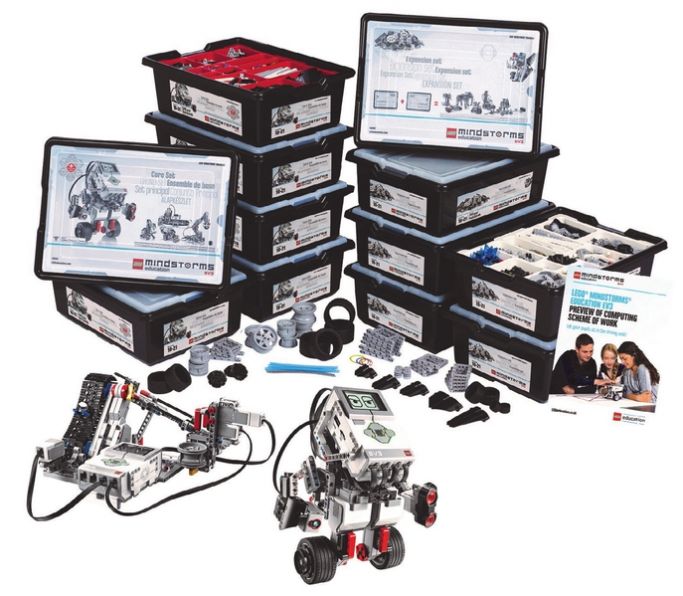
These include beginner kits like LEGO Mindstorms, VEX Robotics, and Arduino-based kits, as well as advanced platforms such as Raspberry Pi, Jetson Nano, and ROS-compatible robots. These kits help users learn everything from basic electronics to complex robot programming.
2. Microcontrollers and Development Boards
At the heart of any robot is a controller. Popular boards include:
- Arduino Uno/Nano
- Raspberry Pi 4
- STM32
- ESP32
These allow you to program sensors, motors, and connectivity modules with ease.
3. Sensors and Modules
Sensors give robots awareness of their environment. Common modules include:
- Ultrasonic and IR sensors (for obstacle detection)
- Accelerometers and gyroscopes (for motion sensing)
- Cameras and LIDAR (for vision and mapping)
- Temperature, gas, and pressure sensors (for environmental monitoring)
4. Actuators and Motors
These convert energy into movement:
- Servo motors (for precision control)
- Stepper motors (for rotation control)
- DC and brushless motors (for driving mechanisms)
Robotics arms and grippers are also essential for manipulation tasks.
5. Mechanical Components & Tools
No lab is complete without a toolkit:
- Chassis, wheels, gears, and joints
- 3D printers for prototyping
- CNC machines and laser cutters (for advanced fabrication)
- Soldering stations, screwdrivers, and multimeters
6. Computer Systems and Software
You’ll need PCs with software for:
- CAD designing (e.g., SolidWorks, Fusion 360)
- Programming (Python, C++, MATLAB)
- Simulation and control (ROS, Gazebo, V-REP)
Strong computing power is especially important for machine learning and image processing applications.
7. Safety and Support Equipment
Safety comes first:
- Fire extinguishers
- First-aid kits
- Lab coats and goggles
Also include proper storage units and ESD protection for sensitive components.
Creating a robotics lab is an investment in the future of education, research, and innovation. By equipping your lab with the right tools and technology, you empower learners and developers to build, test, and deploy real-world robotic solutions.
Looking to source high-quality robotics lab equipment? MAXTECH ME FZE offers a complete range of educational and industrial robotics kits, components, and support systems tailored to your needs. Get in touch today for expert guidance and competitive pricing.